
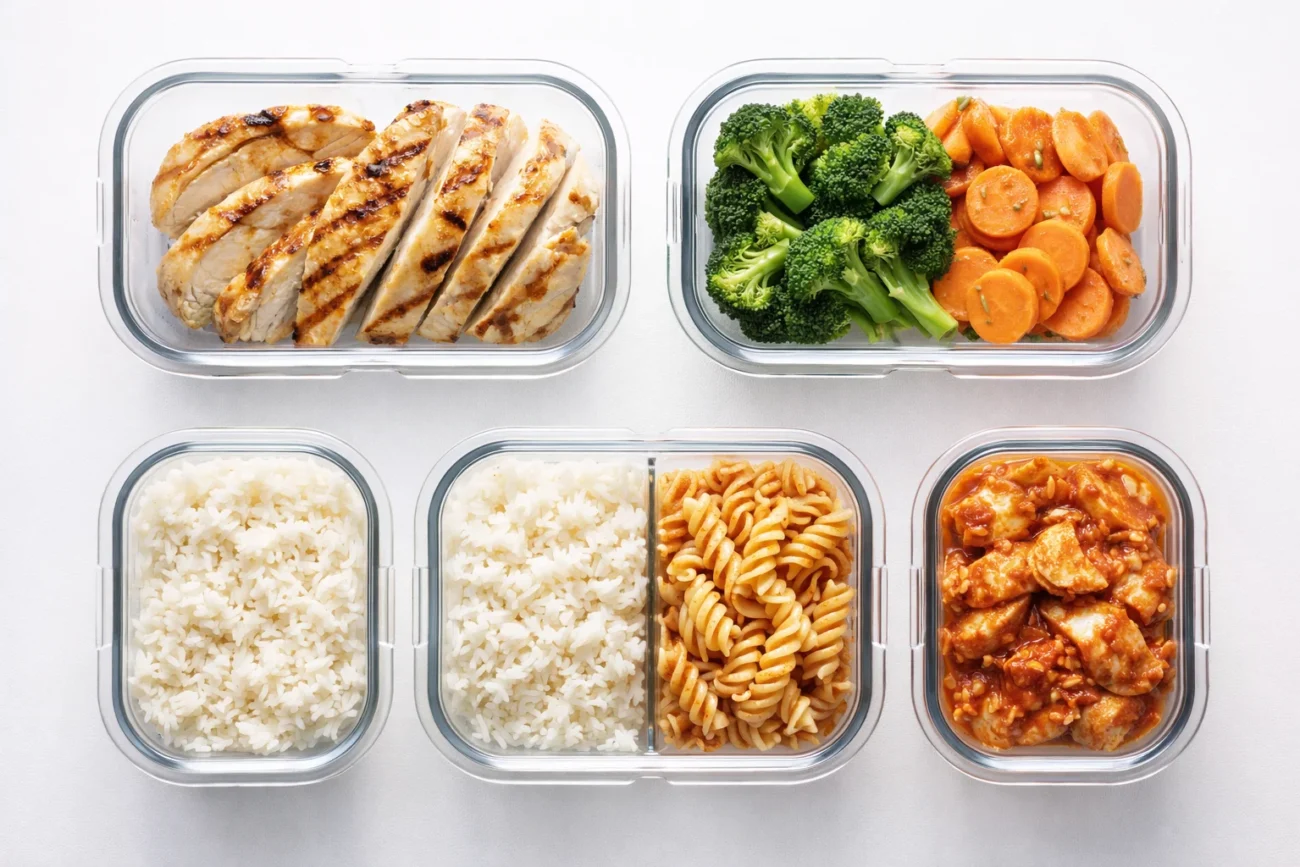
Most people store cooked food the wrong way without realizing it — here’s how to do it properly so your meals stay safe, fresh, and actually taste good later. I used to store leftover food without thinking much about it, just putting it in the fridge and assuming it would still be fine the next day. Over time, I realized that how you store cooked food actually makes a big difference. Sometimes food spoiled faster than expected, and other times it lost its texture or taste completely after reheating, especially with things like chicken or rice.
That’s when I started paying attention to what actually works. I changed small habits like how I cool food, how I store it, and how long I keep it. Those simple changes made a noticeable difference in both safety and quality.
In this guide, I’m sharing exactly how I store cooked food in my kitchen so it stays fresh, safe to eat, and still tastes good when reheated. Food storage is just one part of overall kitchen safety, so if you want a complete overview, read → Complete Kitchen Safety Guide for Home Cooks
How Long Cooked Food Lasts
I keep things simple in my kitchen. Most cooked foods stay safe for a few days in the fridge. These time ranges follow widely accepted food safety guidelines.
Freezer: 2–6 months
Freezer: 2–3 months
Freezer: 1–2 months
Freezer: 1–2 months
If I know I won’t eat something within this time, I freeze it the same day. Freezing helps maintain quality and reduces food waste.
Source: Based on food safety guidelines from the USDA (United States Department of Agriculture) and general food safety recommendations.
One thing I always keep in mind is temperature. Bacteria grow fastest within a specific range, and leaving food in this zone for too long can make it unsafe to eat.
This is known as the “danger zone.” I try to cool food quickly and store it as soon as it’s safe to do so, so it doesn’t stay in this range longer than necessary.
Never leave cooked food at room temperature for more than 2 hours — this is one of the most important food safety rules I always follow.
How Long Cooked Food Lasts (What I Follow)
When it comes to storing cooked food, I keep things simple. In my kitchen, I follow one basic rule most cooked meals are best eaten within 3 to 4 days if stored in the fridge. This helps me avoid both waste and any safety issues.
I usually keep cooked chicken, beef, rice, and pasta within that range. If I know I won’t eat it in time, I freeze it the same day instead. That keeps the food in better condition and it still tastes good when I reheat it later.
Following proper storage timing is something I’ve learned to take seriously over time, and it’s made a real difference in both safety and quality.
How I Store Cooked Food Properly
Over time, I’ve realized that how you store food matters just as much as when you store it. I don’t just put leftovers into any container anymore. I make sure to use airtight containers because they help keep the food fresh and prevent it from drying out or picking up unwanted smells from the fridge.
I also avoid putting very hot food straight into the fridge. I let it cool slightly first, just enough so it’s not steaming. At the same time, I don’t leave it out too long either. Finding that balance made a big difference in both safety and texture.
One thing that has helped me a lot is storing food in smaller portions instead of one large container. It cools faster, reheats better, and makes it easier to take out only what I need.
How I Reheat Food Without Ruining It
Reheating used to be the part where things went wrong for me. Food would either dry out, especially chicken, or heat unevenly. Over time, I learned that reheating properly makes a big difference in both taste and texture.
Now I only reheat what I plan to eat instead of heating everything at once. This helps avoid reheating the same food multiple times, which affects both quality and safety. I also make sure the food is heated all the way through, not just warm on the outside.
For foods like rice or pasta, I sometimes add a small amount of moisture before reheating so it doesn’t dry out. Small changes like this have made reheated food taste much closer to how it was when freshly cooked.
One thing I learned the hard way is that how you cool food matters just as much as how you store it. Putting hot food straight into the fridge or leaving it out too long can both lead to faster spoilage.
Over time, I started following a few simple steps that keep food safe and help it last longer without affecting taste or texture.
- Let food cool slightly before storing — not steaming hot
- Use shallow containers so heat escapes faster
- Avoid leaving food out for more than 2 hours
- Don’t seal containers tightly until steam reduces
For me, the goal is simple — cool food quickly, store it safely, and avoid giving bacteria a chance to grow.
One thing that made a big difference for me was switching to the right containers. It’s not just about storing food — it’s about keeping it fresh, preventing odors, and making reheating easier.
- Airtight glass containers — best for freshness and no odor absorption
- BPA-free plastic containers — lightweight and convenient for daily use
- Small portion containers — cool faster and reheat more evenly
- Avoid open bowls or loose covers — they dry out food quickly
For me, using smaller airtight containers made everything easier — food stays fresher, reheats better, and I waste less overall.
Fridge (Short-Term)
Best if you’ll eat the food within 3–4 days. Keeps meals ready to reheat quickly.
Freezer (Long-Term)
Best for storing food longer. Helps prevent waste and keeps food safe for weeks or months.
Common Mistakes I Used to Make (And Avoid Now)
When I first started paying attention to food storage, I didn’t realize how small habits could affect both safety and quality. Most of the mistakes I made weren’t obvious at the time, but they showed up later when food didn’t taste right or didn’t last as long as expected.
One of the most common issues was leaving food out longer than I should have before storing it. I also used to keep everything in large containers, which slowed down cooling and made the food less consistent when reheated.
Another mistake was not sealing containers properly. Over time, I noticed food would dry out or take on other smells from the fridge, which affected both texture and flavor.
Once I corrected these habits, the difference was immediate. Food stayed fresher, reheated better, and felt more reliable overall. It’s a small shift, but it makes a noticeable impact.
Even if food looks fine, it’s not always safe to eat. Over time, bacteria can grow without obvious signs. I always rely on a few simple checks before deciding to keep or discard leftovers.
- Strange or sour smell
- Change in texture (slimy or overly dry)
- Visible mold or discoloration
- Stored longer than 4 days in the fridge
If I’m ever unsure, I don’t risk it. It’s always safer to throw it away than deal with foodborne illness.
Following proper storage habits is not just about keeping food fresh. It also helps reduce the risk of foodborne illness. I personally stick to simple rules. If you want to explore official guidelines, check the USDA food safety recommendations .
- Store cooked food within 2 hours
- Keep fridge below 40°F (4°C)
- Use airtight containers
- Eat leftovers within 3–4 days
- Freeze food if not eating soon
- Reheat thoroughly before eating
Over time, I realized that storing food properly is only one part of the bigger picture. Cooking methods, safety habits, and small daily decisions all work together. For example, if your chicken often turns out dry, it’s usually not just about cooking — it also affects how well it stores and reheats later.
If you’ve faced that, I highly recommend reading my guide on why chicken turns dry and how to fix it . It breaks down simple adjustments that make a huge difference.
I also put together a complete kitchen safety guide for home cooks , where I cover everything from storage to handling food safely in everyday cooking.
And if you want quick, practical habits you can apply immediately, check out these essential kitchen safety tips that I personally follow in my own kitchen.
Frequently Asked Questions
How long can cooked food stay in the fridge?
Most cooked food stays safe for 3 to 4 days when stored properly in airtight containers below 40°F (4°C).
Can I eat cooked food after 5 days?
It is not recommended. After 4 days, the risk of bacteria growth increases, even if the food looks and smells fine.
Can you freeze cooked food after 3 days?
Yes, but it’s better to freeze food as soon as possible to maintain quality. Freezing later may affect texture and freshness.
Is it safe to reheat cooked food multiple times?
It’s best to reheat only what you plan to eat. Reheating food multiple times can reduce quality and increase the risk of contamination.
How do I know if cooked food has gone bad?
Look for signs like a sour smell, slimy texture, discoloration, or visible mold. If you’re unsure, it’s always safer to throw it away.
Can I store hot food directly in the fridge?
It’s better to let food cool slightly before storing. Putting very hot food in the fridge can raise the internal temperature and affect other foods.
What is the 2-hour rule for food safety?
Cooked food should not be left at room temperature for more than 2 hours. After that, bacteria can grow quickly and make food unsafe.

Krish Shrestha
I’m Krish Shrestha, the creator of Krivia Recipes. I share practical, ingredient-focused recipes made with simple ingredients and clear step-by-step instructions designed for real kitchens and everyday home cooking.
