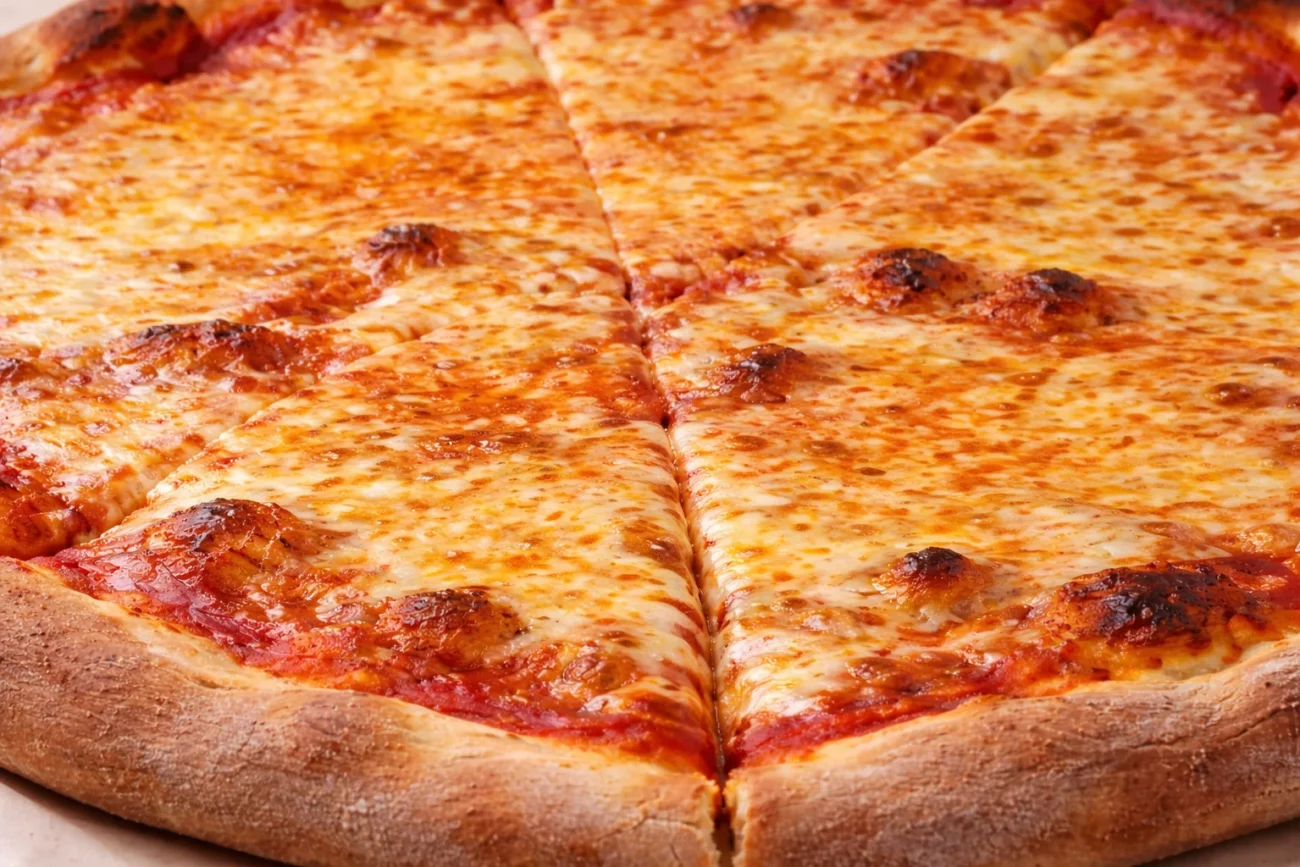
New York–style pizza is famous for its thin crust, crisp base, and soft, chewy texture that folds easily in your hand. Traditionally, many classic recipes rely on long fermentation times. However, this quick two-hour dough proves that you can still make a great New York–style pizza at home, even on a busy day. With the right steps and timing, this dough delivers reliable structure, good flavor, and an authentic slice experience without overnight waiting.
Moreover, this recipe works well for home cooks who want quality results without complicated methods. Instead of shortcuts, it uses proper mixing, controlled resting, and stretch-and-fold techniques to develop the dough efficiently. As a result, you get a crust that bakes evenly and holds toppings without turning dense or dry.
Kitchen Safety Notes
Always handle raw beef carefully and clean surfaces and utensils after use. Cook ground beef to a safe internal temperature before serving. For general kitchen safety, proper oil handling and food storage, it’s best to follow trusted guidance such as the USDA food safety recommendations , which help ensure clean and safe cooking practices.
Why This Two-Hour Dough Works
Normally, long fermentation improves flavor and texture. However, when time is limited, technique matters even more. Instead of relying on extended fermentation, this dough builds strength through kneading and carefully timed rest periods. In addition, stretch-and-fold steps help organize the gluten structure, which, in turn, improves elasticity and makes the dough much easier to stretch later.
At the same time, bread flour plays an important role in the final result. Because it contains more protein than standard all-purpose flour, it helps the dough develop structure faster. As a result, when combined with proper hydration, this method creates the classic New York chew in a much shorter time frame.
| Done | Step | Time Required | Details |
|---|---|---|---|
| Yeast Activation | 2 minutes | Dissolve yeast in warm water. | |
| Mixing Ingredients | 5 minutes | Combine flour, salt, sugar, oil and water. | |
| Kneading | 7–8 minutes | Knead until smooth and elastic. | |
| First Rest | 20 minutes | Allows gluten to relax. | |
| Stretch & Fold (Round 1) | 2 minutes | Stretch from all four sides. | |
| Rest After Fold | 20 minutes | Builds dough strength. | |
| Stretch & Fold (Round 2) | 2 minutes | Repeat stretch and folds. | |
| Final Rise | 1 hour | Rise while oven preheats. | |
| Shaping Dough | 5 minutes | Stretch dough to 16 inches. | |
| Baking | 7–10 minutes | Bake until crisp and lightly browned. |
Ingredients
| Done | Ingredient | Amount | Purpose |
|---|---|---|---|
| Bread flour | 300 grams | Provides structure and chew | |
| Warm water | 189 grams | Hydrates flour and activates yeast | |
| Instant yeast | ¼ teaspoon | Helps dough rise quickly | |
| Salt | ½ teaspoon | Enhances flavor and dough strength | |
| Sugar | ½ teaspoon | Supports fermentation | |
| Extra virgin olive oil | ½ teaspoon | Adds tenderness and flavor |
Check off each ingredient as you prepare your dough to keep the process organized and stress-free.
Step-by-Step Dough Method
1. Mix the Ingredients
Add one quarter teaspoon of rapid-rise instant yeast to 189 grams of warm water and stir briefly to dissolve. In a bowl, combine 300 grams of bread flour with half a teaspoon each of salt, sugar, and olive oil. Pour in the water and mix until the dough comes together.
2. Knead and Rest
Knead the dough for about seven to eight minutes until it becomes smooth and elastic. Cover the dough and let it rest for 20 minutes. This rest helps the gluten relax, making the dough easier to stretch later.
3. Stretch and Fold
Stretch the dough gently from all four sides and fold it over itself. Cover and let it rest for another 20 minutes. Repeat this stretch-and-fold process a second time, followed by another 20-minute rest. Perform the stretch and folds for the third and final time until the dough feels stronger and smoother.
4. Shape the Dough
Roll the dough into a tight ball and seal the bottom. Place the dough ball into a lightly oiled bowl and cover it, ready for the final rise.
Rising the Dough
Next, set the covered bowl on top of your oven and preheat the oven to 500°F. During this time, let the dough rise for one hour while the oven heats. As a result, this warm environment helps the dough rise efficiently within a short time.
Meanwhile, the dough should expand slightly and feel airy but still strong. However, avoid overproofing, as this can weaken the dough structure and affect how the crust bakes later.
Shaping the Pizza
After the rise, transfer the dough to a lightly floured surface. First, press gently from the center outward to form a round shape. Then, stretch the dough carefully until it reaches about 16 inches in diameter.
At this stage, avoid using a rolling pin. Instead, hand stretching keeps air in the dough, which helps create a light, tender crust edge. If the dough resists stretching, simply let it rest for a few minutes and try again.
Baking for Best Results
Preheat a baking steel or stone fully before baking. Place the stretched dough on the hot surface. If your oven has convection, use it. Otherwise, increase the temperature to 550°F if your oven allows.
Bake until the bottom turns crisp and the edges show light browning. Because home ovens vary, watch the pizza closely during baking to avoid overcooking.
Serving Ideas and Meal Pairings
Pizza night often works best when paired with complementary dishes. For example, serving this New York style pizza alongside a homemade In-And-Out style burger creates a satisfying comfort-food spread with a balanced mix of textures and flavors. Alternatively, if you prefer a lighter side, crispy potato long fries make an excellent option. In particular, their crunchy exterior and soft interior pair well with the chewy pizza crust without overwhelming the meal. Meanwhile, for gatherings or family dinners, homemade air fryer chicken tenders also fit naturally on the table. As a result, they add crisp texture with less oil and work well for sharing, especially when serving multiple dishes at once.
Frequently Asked Questions