

The kitchen is one of the busiest places in any home. It’s where ingredients are prepared, meals come together, and family moments often begin. However, the same space that brings creativity and comfort can also present risks if proper care isn’t taken. Sharp knives, hot surfaces, and slippery spills are common kitchen hazards that every home cook should be aware of.
Developing simple safety habits can make a big difference in preventing accidents and maintaining a clean cooking environment. Washing your hands, keeping your workspace organized, and using the right tools for each task are small actions that greatly improve kitchen safety. These practices not only protect you from cuts or burns but also help prevent food contamination.
When kitchen safety becomes part of your routine, cooking becomes more enjoyable and stress-free. In the tips below, you’ll discover practical kitchen safety tips that help you cook with confidence, keep your food safe, and create a more organized and secure kitchen for everyday meal preparation.
Quick Kitchen Safety Summary
Before You Start Cooking
Taking a few simple precautions before you begin cooking can help prevent accidents, improve food safety, and create a more organized kitchen workspace.
Kitchen Safety Facts
Kitchen accidents are one of the most common types of household injuries. Understanding when and how these incidents occur can help home cooks take simple precautions to reduce risks and maintain a safer cooking environment.
Most Common Kitchen Accidents
The kitchen is one of the busiest areas in any home, which also makes it a common place for small accidents to happen. From handling hot pans to using sharp knives, everyday cooking tasks can lead to injuries if proper care is not taken.
The chart below highlights the most common types of kitchen accidents. Burn injuries and knife cuts account for the majority of incidents, while slips and falls happen less frequently. Understanding these risks helps cooks stay more aware and adopt safer kitchen habits.
Kitchen Injuries by Age Group
Kitchen accidents can affect people of all ages, but the risk level often varies depending on experience, supervision, and daily cooking habits. Children and teenagers may face higher risks when learning basic kitchen skills, while adults and seniors can experience injuries related to busy cooking environments, sharp tools, or hot cookware.
The chart below shows how kitchen injuries are distributed across different age groups. Adults between 20 and 44 account for the largest percentage of incidents, followed by adults aged 45 to 64. Younger age groups and seniors represent smaller portions, but still highlight the importance of safe cooking practices for everyone.
Kitchen Injuries by Cooking Activity
Different cooking tasks carry different levels of risk in the kitchen. Activities like cutting vegetables, frying food in hot oil, or handling cookware fresh from the oven expose cooks to sharp tools, high heat, and slippery surfaces. Understanding which activities cause the most injuries can help reduce common kitchen accidents.
The chart below shows the percentage of kitchen injuries linked to specific cooking activities. Cutting and chopping account for the largest share of injuries, followed by frying with hot oil. Baking, boiling liquids, and cleaning cookware contribute smaller but still important portions. These insights highlight where extra caution and proper kitchen safety practices can make the biggest difference.
Kitchen Injuries by Tool Type
Certain kitchen tools are responsible for a large share of household cooking injuries. Sharp blades, hot cookware, and fragile glass containers can easily cause burns, cuts, or accidents when used without proper care. Understanding which tools present the highest risk helps home cooks stay more aware while preparing meals.
The chart below shows how different kitchen tools contribute to injury rates. Kitchen knives account for the majority of incidents, followed by hot cookware such as pans and baking trays. Glass containers, food processors, and other utensils represent smaller percentages but still highlight the importance of safe handling and proper kitchen safety habits.
Kitchen Safety Timeline: When Accidents Most Often Occur
Kitchen accidents can happen at any stage of cooking, but some moments carry higher risks than others. Tasks like cutting ingredients, handling hot pans, or moving quickly between cooking steps can increase the chances of burns, cuts, or slips in a busy kitchen environment.
The chart below illustrates when kitchen injuries most commonly occur during the cooking process. Food preparation accounts for the largest share of incidents, followed by active cooking. Smaller percentages happen during plating, serving, and cleaning. Understanding these risk points can help cooks stay more alert and follow safer kitchen practices.
Kitchen Safety Quick Stats
1. Wash Your Hands Before Cooking
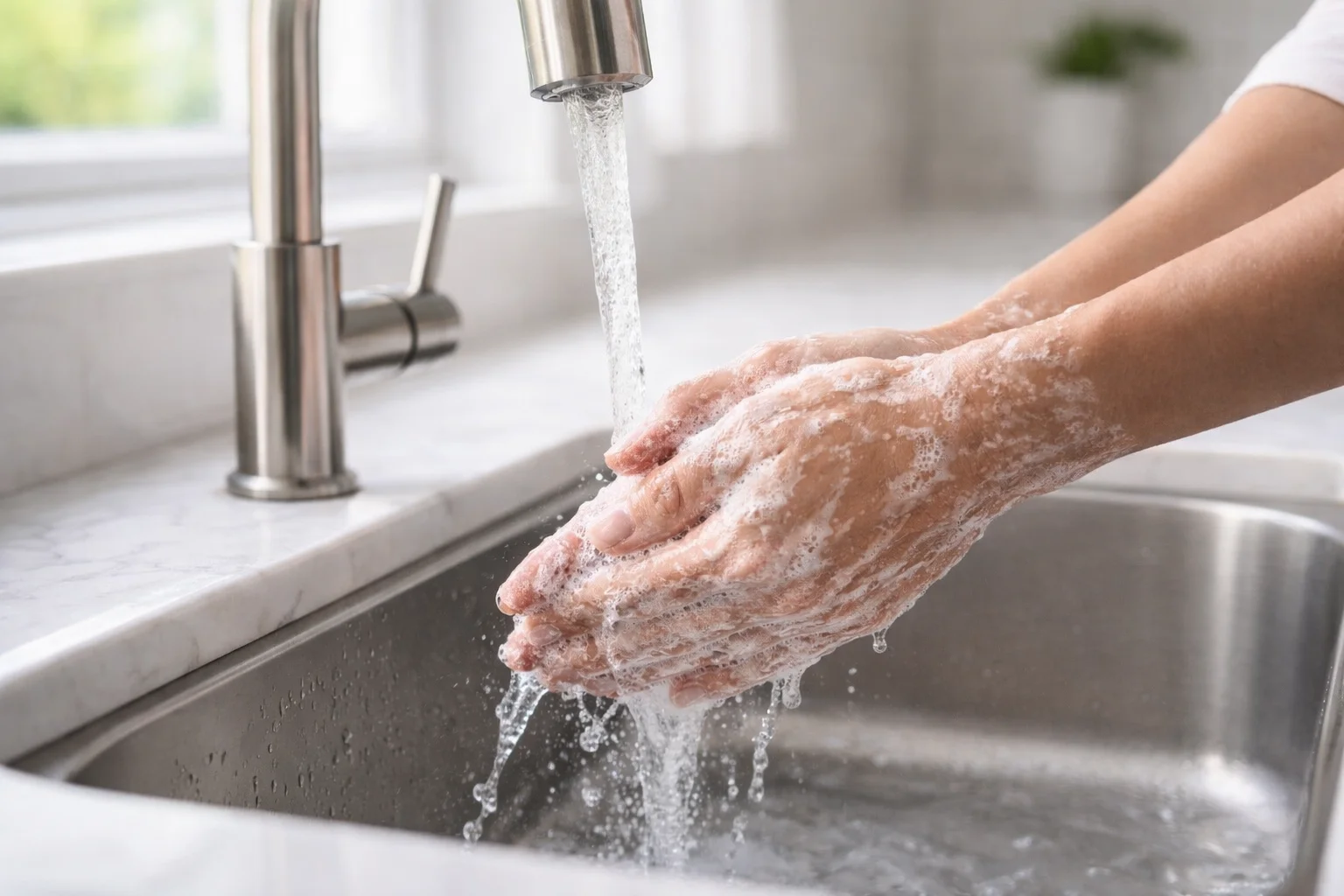
One of the most important kitchen safety habits is proper hand hygiene. Washing your hands before cooking removes germs that can easily transfer to food.
Always wash with soap and warm water for at least twenty seconds before handling ingredients.
2. Use Separate Cutting Boards
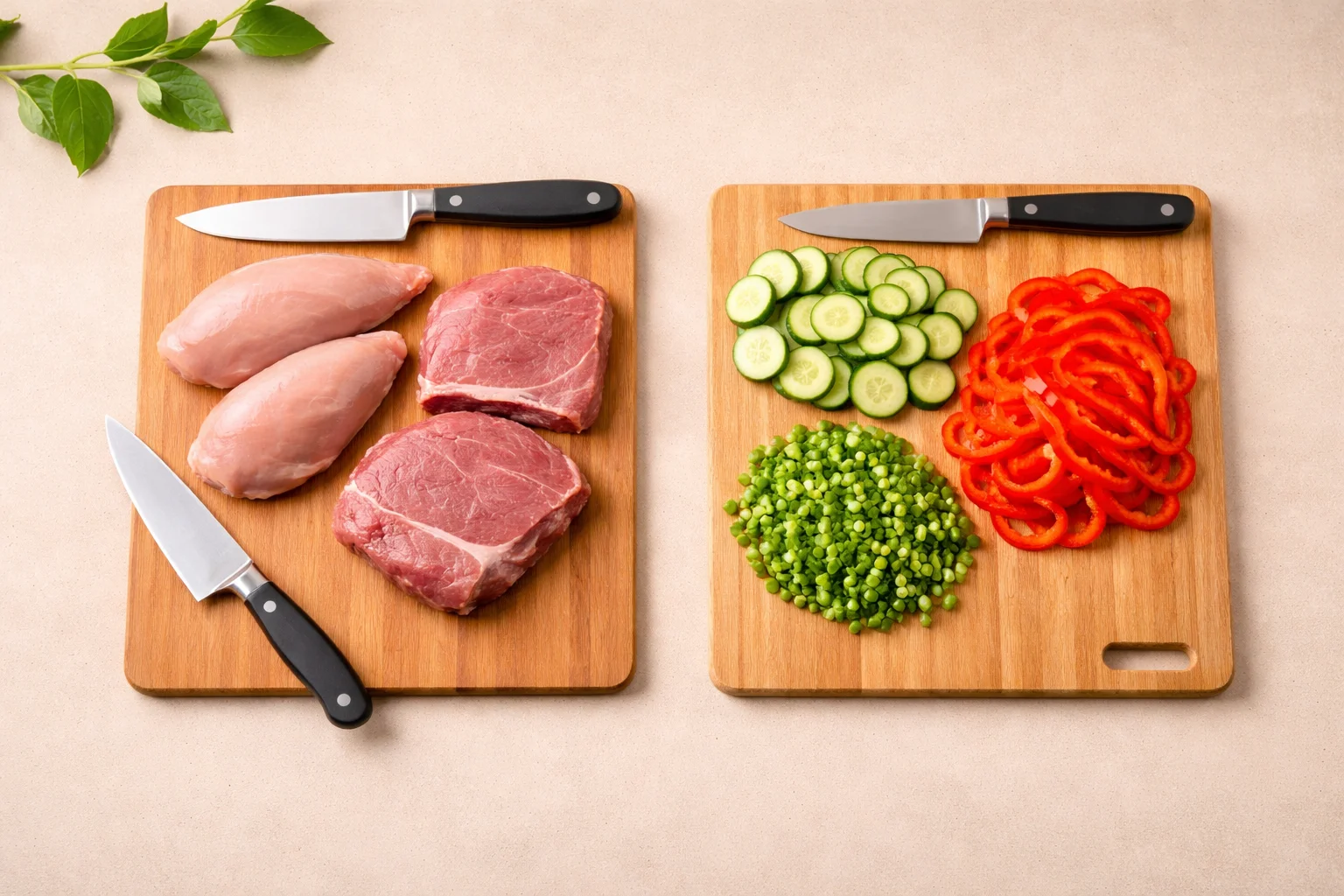
Cross contamination can occur when bacteria from raw meat transfer to vegetables or cooked foods.
Using separate cutting boards is one of the easiest ways to improve kitchen food safety.
3. Use Sharp Knives and Proper Cutting Technique
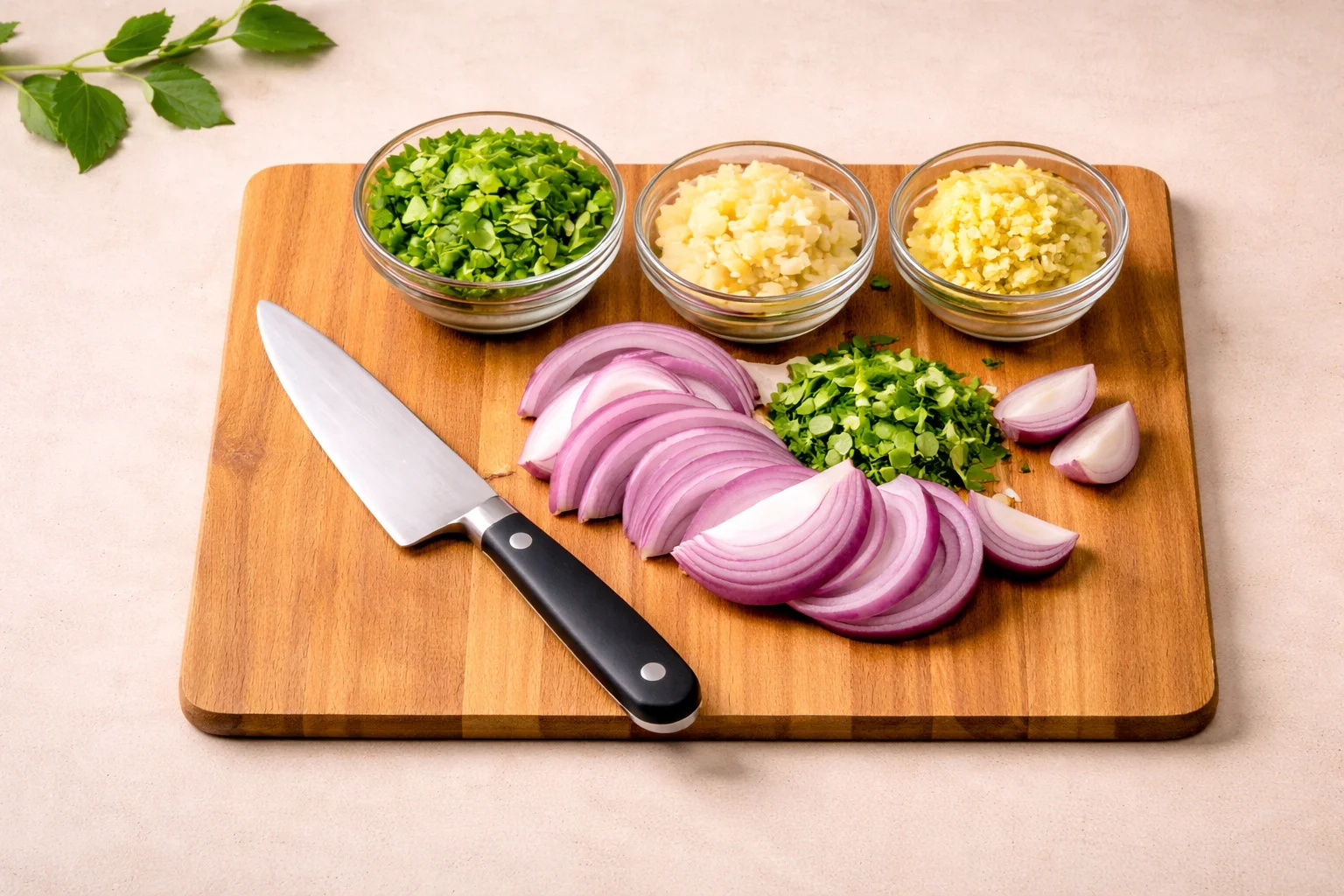
Sharp knives cut smoothly and require less pressure, making them safer than dull blades.
4. Handle Raw Meat Safely
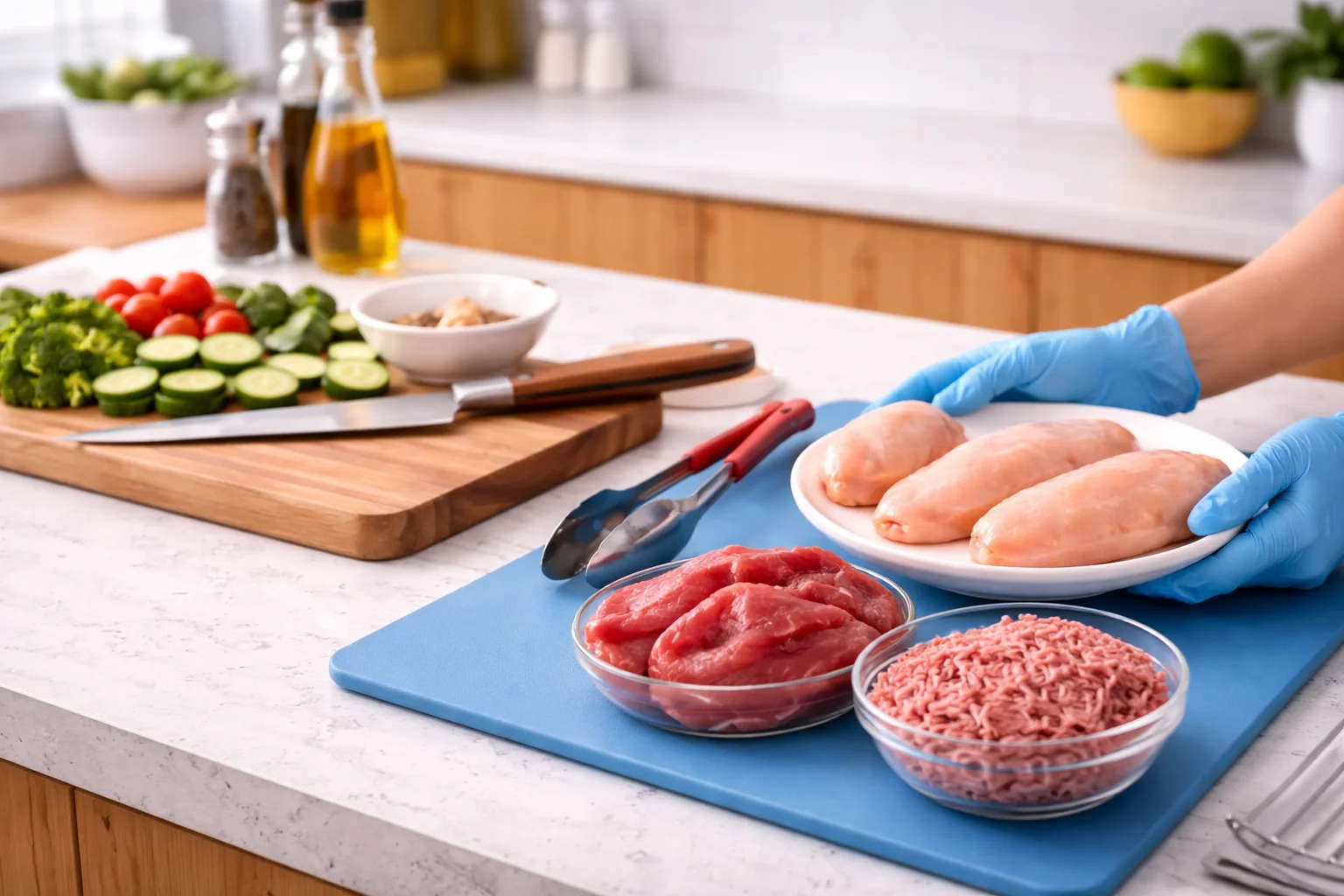
Always keep raw meat separate and clean surfaces thoroughly after handling.
5. Cook Food to Safe Internal Temperatures

Cooking foods to the proper internal temperature helps destroy harmful bacteria.
6. Use Oven Mitts for Heat Protection
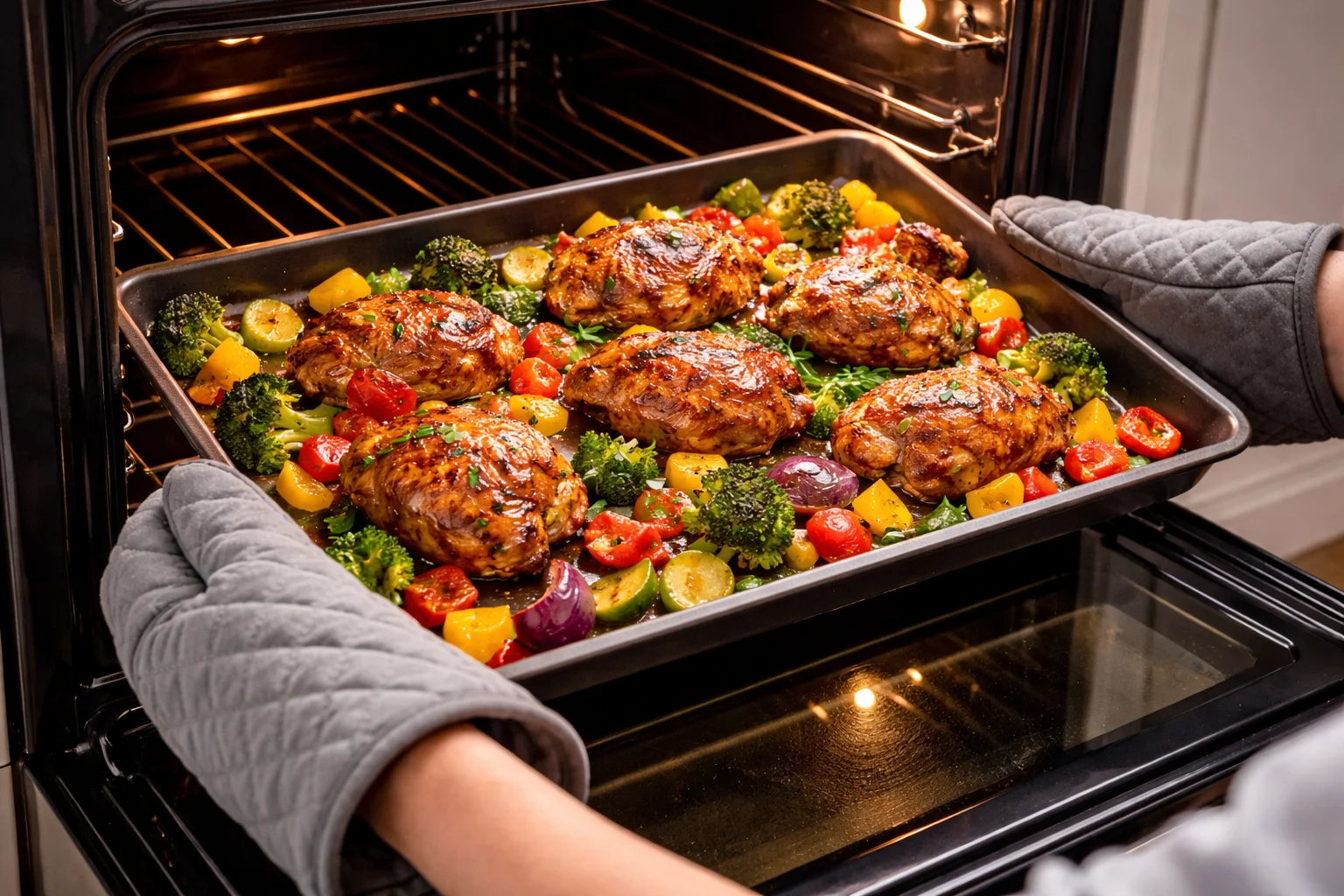
Always use heat resistant gloves when removing hot cookware from the oven.
7. Keep Your Kitchen Workspace Organized
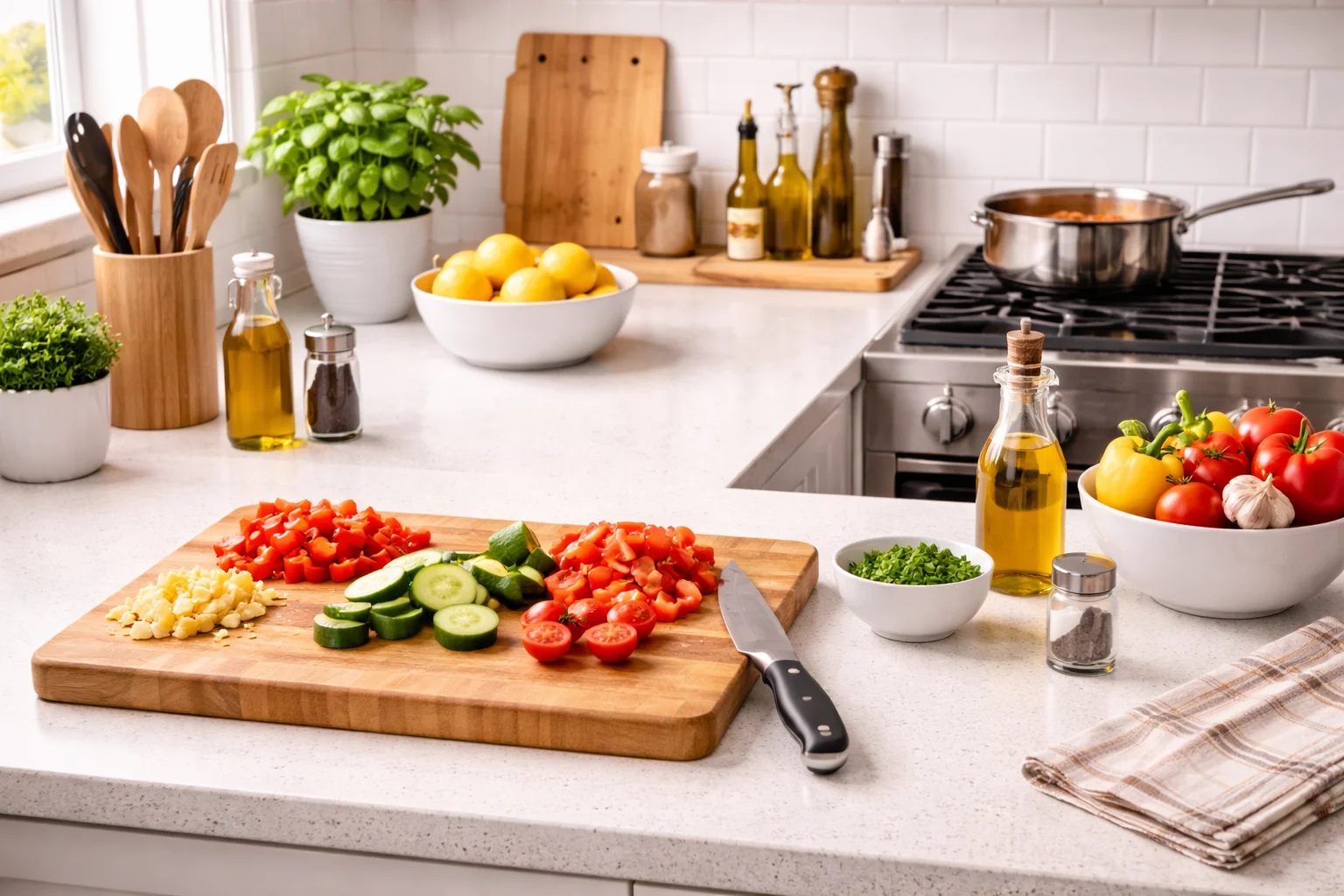
Keeping counters clean and organized helps create a safer cooking environment.
8. Clean Spills Immediately

Liquid spills on floors can become dangerous hazards if not cleaned immediately.
9. Store Food Properly in the Refrigerator
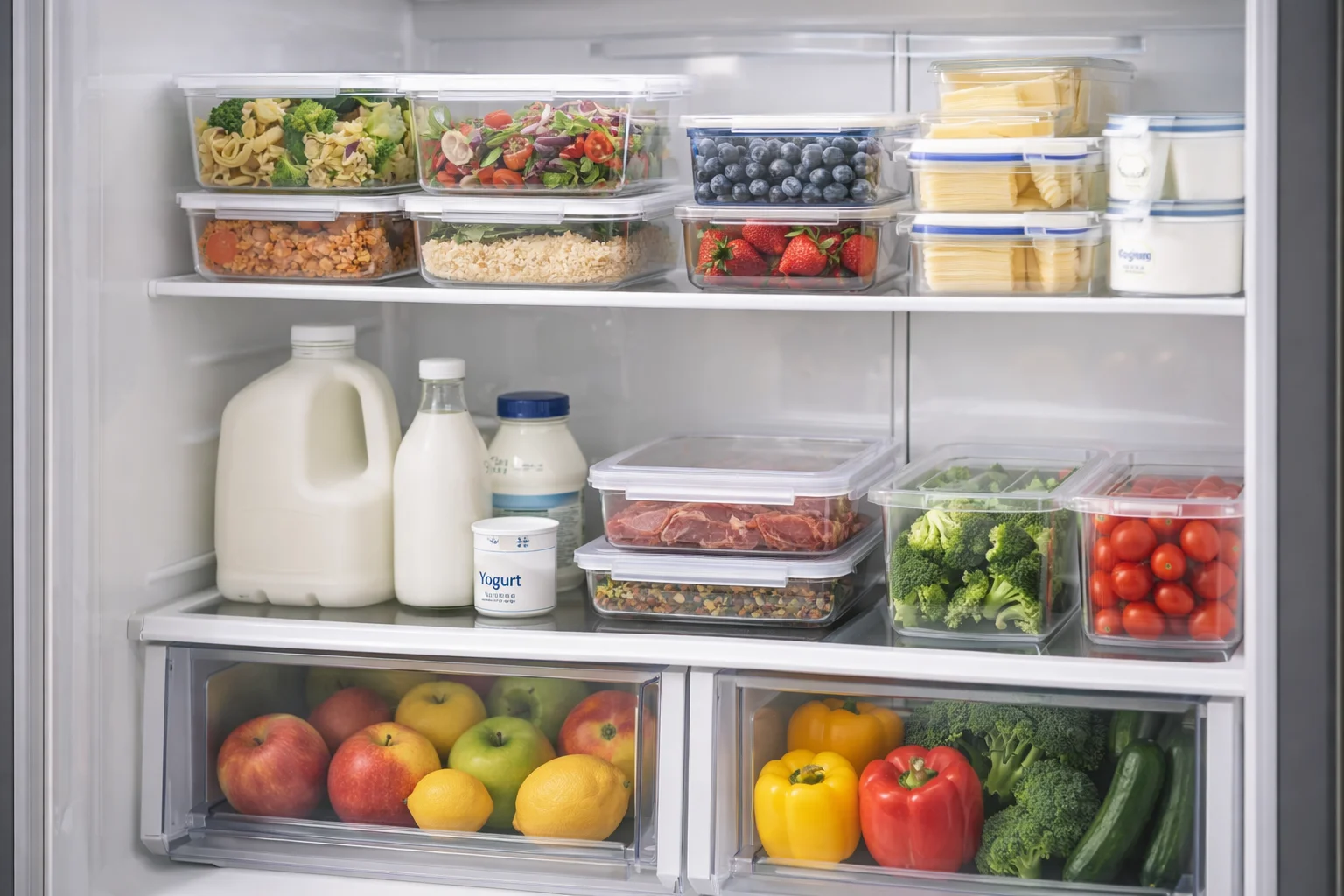
Storing food correctly helps prevent bacteria growth and keeps ingredients safe.
10. Stay Focused While Cooking
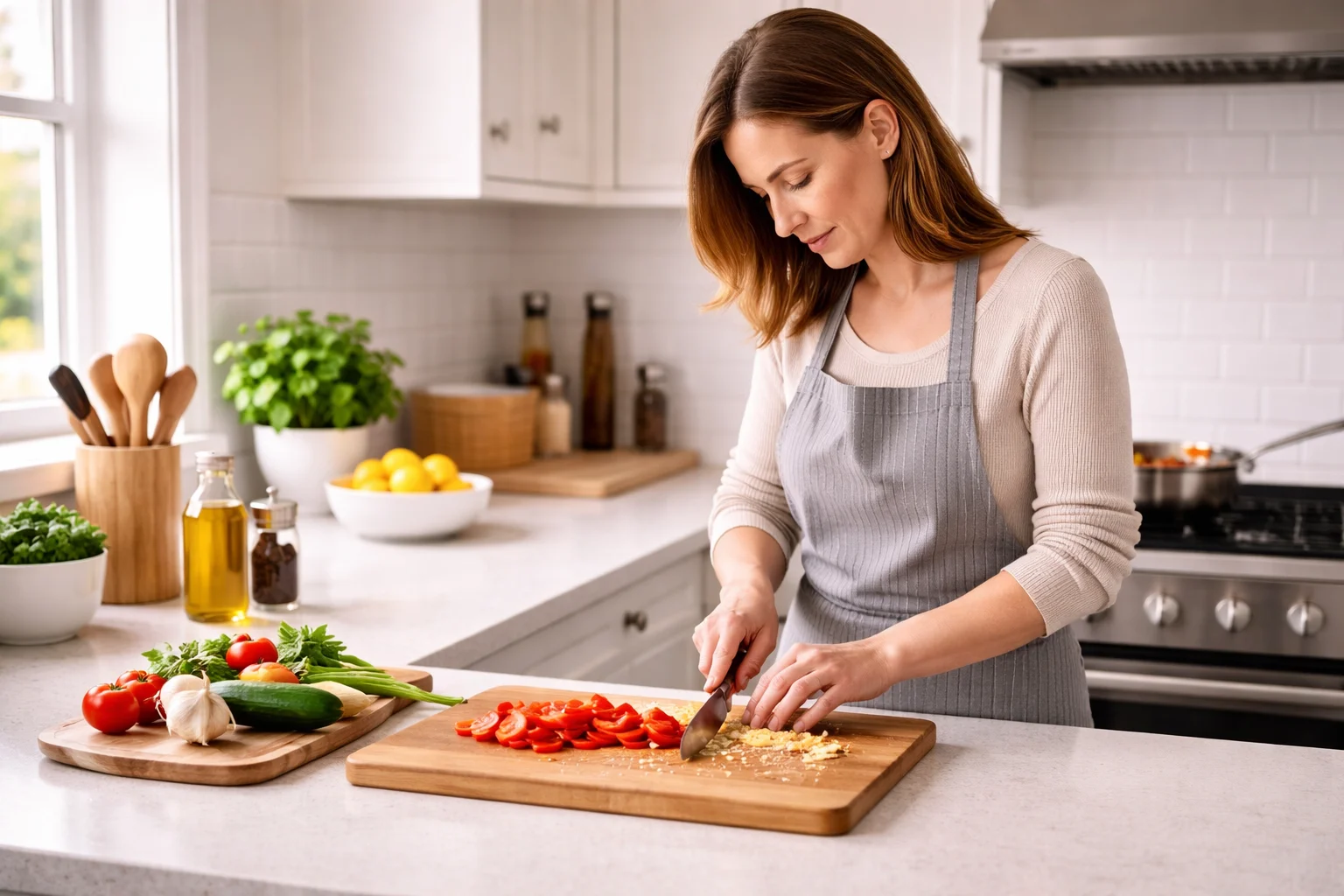
Avoid distractions while cooking so you can monitor food and prevent burns or spills.
Kitchen safety starts with understanding the most common risks that occur during everyday cooking. From handling sharp knives to working around hot cookware and slippery floors, small mistakes in the kitchen can quickly lead to injuries. The infographic below highlights essential kitchen safety practices that help reduce accidents, prevent food contamination, and create a safer cooking environment for home cooks. By following these basic habits, you can make meal preparation safer and more organized.
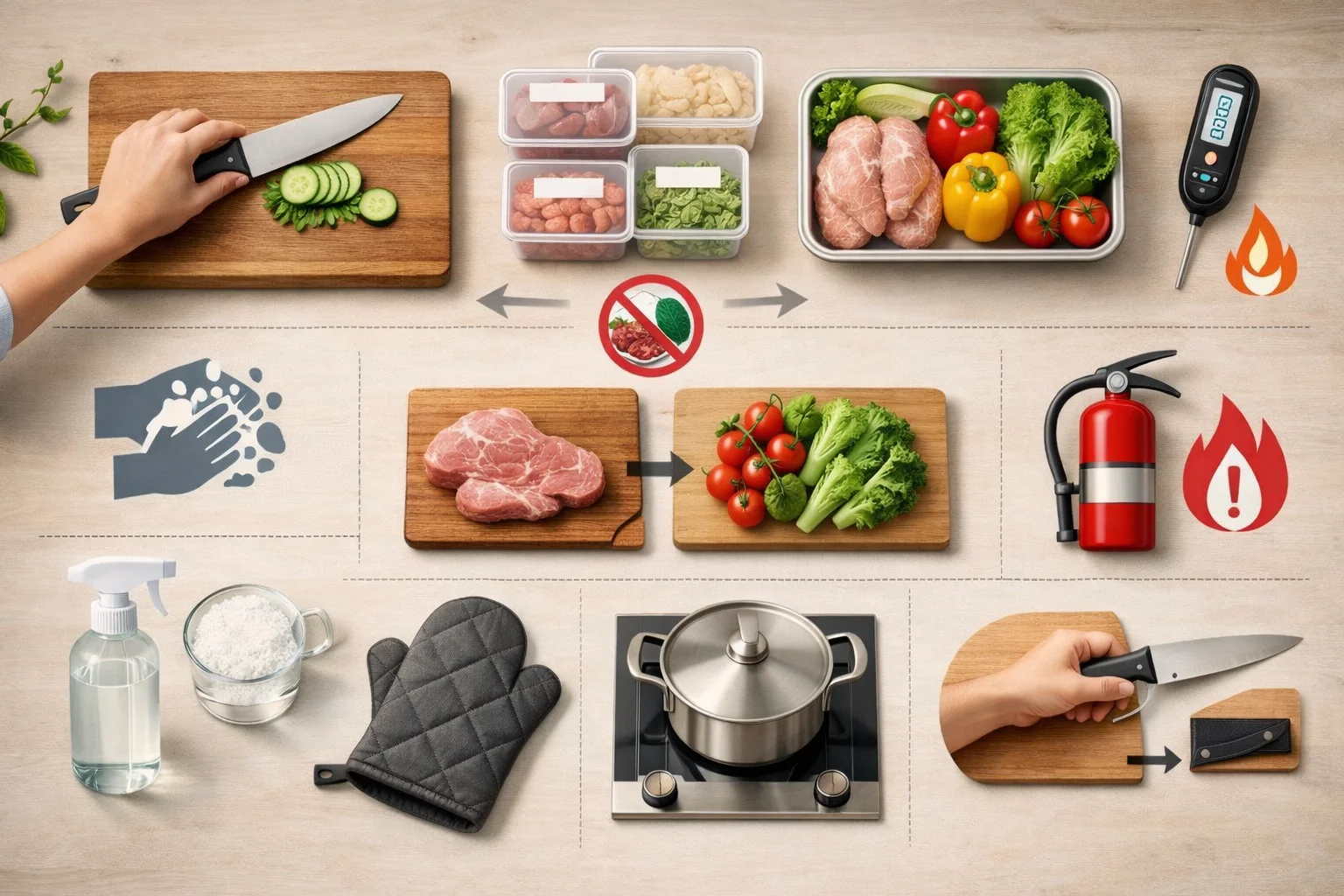
Kitchen safety infographic summarizing key prevention tips for common cooking hazards such as cuts, burns, and slips.
Kitchen Safety Data Insights
The data from kitchen injury reports highlights several important patterns about when and how accidents typically occur during everyday cooking. Understanding these trends can help home cooks adopt safer habits in the kitchen.
Data Sources and Research References
The charts and visual insights in this article are based on publicly available injury surveillance datasets and household safety research reports. These sources help identify common patterns of kitchen-related injuries and provide reliable context for everyday cooking safety practices.
-
U.S. Consumer Product Safety Commission (CPSC) – National Electronic Injury Surveillance System (NEISS), 2022 Dataset.
The NEISS database collects injury reports from hospital emergency departments across the United States. It is widely used by researchers and safety organizations to analyze consumer product–related injuries, including household and kitchen accidents.
https://www.cpsc.gov/Research--Statistics/NEISS-Injury-Data -
Centers for Disease Control and Prevention (CDC) – National Center for Injury Prevention and Control.
The CDC Injury Center provides national statistics and research on household injuries, including burns, cuts, and accidents occurring during cooking and food preparation activities.
https://www.cdc.gov/injury -
U.S. Fire Administration (USFA) – Cooking Fire Safety Reports.
USFA reports analyze residential cooking fires and related injuries, helping identify common safety risks associated with stovetops, ovens, and unattended cooking.
https://www.usfa.fema.gov -
Food Safety and Inspection Service (FSIS), United States Department of Agriculture (USDA).
The USDA provides guidelines on safe food handling practices, cooking temperatures, and prevention of foodborne illness in household kitchens.
https://www.fsis.usda.gov/food-safety
Methodology: Percentages and distributions shown in the charts represent estimated patterns derived from injury surveillance reports and safety research summaries. These visualizations are intended to illustrate common kitchen safety risks and help readers understand how accidents typically occur during cooking activities.
Kitchen Safety Checklist
Use this quick checklist before and during cooking to help reduce accidents and maintain a safe kitchen environment.
Tip: You can bookmark this page or print the checklist to keep a quick kitchen safety reference while cooking.
Kitchen Safety Do’s and Don’ts
Following safe cooking habits can significantly reduce the risk of common kitchen accidents. The comparison below highlights essential practices that help maintain a safer cooking environment at home.
- Wash your hands before and after handling food.
- Use separate cutting boards for raw meat and vegetables.
- Keep knives sharp and use proper cutting techniques.
- Use oven mitts when handling hot cookware.
- Clean spills immediately to prevent slipping hazards.
- Store food at proper temperatures to prevent contamination.
- Stay attentive while cooking on the stove.
- Leave cooking food unattended on the stove.
- Use dull knives that require excessive force.
- Place hot cookware near the edge of countertops.
- Use the same cutting board for raw meat and ready-to-eat foods.
- Ignore spills or clutter on kitchen floors.
- Handle hot pans without protective gloves.
- Store cooked food improperly at room temperature.
Quick Kitchen Safety Guide
Keeping your kitchen safe doesn’t require complicated rules. This quick reference guide highlights some of the most important safety practices every home cook should follow while preparing meals.
| Kitchen Activity | Safety Tip |
|---|---|
| Food Preparation | Wash your hands thoroughly before and after handling ingredients. |
| Cutting Ingredients | Use a sharp knife and keep your fingers tucked away from the blade. |
| Handling Raw Meat | Use separate cutting boards and utensils to prevent cross-contamination. |
| Cooking on the Stove | Turn pan handles inward to avoid accidental spills or burns. |
| Using the Oven | Always wear oven mitts when handling hot trays or cookware. |
| Cleaning Spills | Wipe spills immediately to prevent slipping hazards. |
| Food Storage | Store raw meat on lower refrigerator shelves in sealed containers. |
| Kitchen Organization | Keep your workspace clean and clutter-free while cooking. |
Common Kitchen Safety Mistakes to Avoid
- Using the same cutting board for raw meat and vegetables.
- Handling hot cookware without oven mitts.
- Leaving spills on the floor for too long.
- Using dull knives that can slip while cutting.
- Cooking while distracted by phones or other activities.
- Storing raw meat above fresh foods in the refrigerator.
- Leaving stovetop handles facing outward.
Pro Chef Safety Tip
Professional kitchens follow strict safety routines to prevent accidents during busy cooking hours. One of the most effective habits is keeping the cooking workspace clean and organized at all times. When tools, ingredients, and surfaces are properly arranged, it becomes much easier to work safely and efficiently.
Content Accuracy & Safety Notice
This kitchen safety guide is designed to provide general cooking safety information for home kitchens. The tips shared in this article are based on commonly recommended food safety practices and publicly available guidance from organizations such as the U.S. Centers for Disease Control and Prevention (CDC), the U.S. Department of Agriculture (USDA), and the U.S. Consumer Product Safety Commission (CPSC).
While these guidelines help reduce the risk of common kitchen accidents and food contamination, they should not replace professional safety training or medical advice. Always follow proper kitchen practices and use appropriate safety equipment when preparing food.
Kitchen Safety Facts Every Home Cook Should Know
Many kitchen accidents happen because of small mistakes that can easily be prevented. Understanding common kitchen risks helps home cooks build safer habits while preparing meals. The following facts highlight why kitchen safety practices are important in everyday cooking.
- Kitchen-related injuries are among the most common household accidents, often caused by cuts, burns, or slips.
- Improper food handling can increase the risk of foodborne illness, especially when raw meat and fresh foods are prepared on the same surfaces.
- Burns frequently occur when hot cookware is handled without protective gloves or when stovetop handles face outward.
- Using dull knives increases the risk of accidental cuts because more force is required during slicing.
- Cross-contamination during food preparation is one of the leading causes of food safety issues in home kitchens.
- Maintaining a clean and organized workspace significantly reduces cooking accidents.
- Simple habits like washing hands and cleaning surfaces can prevent the spread of harmful bacteria.
These safety facts highlight why building simple kitchen safety habits can help protect both your health and your cooking environment.
Kitchen Safety Tips for Kids & Families
Teaching children basic kitchen safety helps create a safer cooking environment for everyone in the home. While cooking together can be a fun and educational activity, it’s important to establish clear safety habits so kids learn how to handle food, tools, and hot surfaces responsibly.
Kitchen Safety FAQs
What is the most important kitchen safety rule?
One of the most important kitchen safety rules is maintaining proper hygiene. Washing your hands before handling food and keeping cooking surfaces clean helps prevent food contamination and reduces the risk of foodborne illness.
Why should you use separate cutting boards?
Using separate cutting boards for raw meat and vegetables helps prevent cross-contamination. Bacteria from raw meat can easily transfer to ready-to-eat foods if the same cutting surface is used without proper cleaning.
How can I prevent burns while cooking?
Burns can be prevented by using oven mitts when handling hot cookware, turning pan handles inward on the stove, and staying attentive while cooking. Keeping hot surfaces clearly visible and organized also helps reduce burn risks.
What temperature should chicken be cooked to?
Chicken should be cooked to an internal temperature of 165°F (74°C). Using a food thermometer is the safest way to ensure poultry is fully cooked and safe to eat.
How can I keep my kitchen workspace safe and organized?
Keeping countertops clean, organizing utensils, and wiping spills immediately helps create a safer cooking environment. A clutter-free workspace reduces the chances of accidents, cuts, or slipping hazards.
What are the most common kitchen accidents?
The most common kitchen accidents include burns from hot cookware, cuts from knives, slips caused by spills on the floor, and food contamination due to improper handling of raw ingredients.
Printable Kitchen Safety Rules
Use this quick list of kitchen safety rules as a simple reminder while cooking. These practical habits help reduce accidents, maintain food hygiene, and create a safer cooking environment at home.
Tip: You can print this checklist and keep it in your kitchen as a quick safety reminder while cooking.

Krish Shrestha
I’m Krish Shrestha, the creator of Krivia Recipes. I share practical, ingredient-focused recipes made with simple ingredients and clear step-by-step instructions designed for real kitchens and everyday home cooking.
